Best VPN for Activists: Secure Communications & Digital Rights
For human rights defenders, environmental organizers, and political activists, a VPN is not a tool for unblocking streaming services — it is critical digital armor. The best VPN for activists must survive a threat model that includes state-sponsored spyware, hostile ISP deep packet inspection (DPI), device seizures at protests, and international intelligence sharing. Speed and server count matter far less than verifiable privacy, safe legal jurisdictions, open-source code, and the ability to purchase a subscription without leaving a financial paper trail.
We evaluated eight major VPN providers against the digital security guidelines published by the Electronic Frontier Foundation (EFF) and Amnesty International. Only five met the baseline requirements for high-risk advocacy; three were excluded due to jurisdiction vulnerabilities, closed-source clients, or historical logging controversies that make them unsafe for protecting organizers and vulnerable communities.
What Is the Best VPN for Activists in 2026?
Proton VPN is the undisputed best VPN for activists and digital rights defenders. Headquartered in Switzerland (outside 14 Eyes intelligence alliances), it offers fully open-source clients, independent audits, Secure Core multi-hop routing through hardened privacy jurisdictions, native Tor-over-VPN integration, and a Stealth protocol for censorship evasion. Crucially, it supports anonymous payment methods. NordVPN (Panama jurisdiction, RAM-only servers) is the best alternative for field organizers needing robust obfuscation. ExpressVPN (BVI jurisdiction, TrustedServer) is the most reliable for activists traveling through highly restrictive regions.
Avoid for high-risk advocacy: IPVanish and CyberGhost. IPVanish has a documented history of handing over logs to law enforcement despite “no-logs” marketing, and CyberGhost’s parent company (Kape Technologies) has a controversial history in the ad-injection space. When protecting organizers and vulnerable populations, historical trust and open-source verifiability are non-negotiable.
Table of Contents
The stakesThe Activist Threat Model: Why Standard VPNs Fail
Activists operate in environments where digital surveillance can lead to physical harm, imprisonment, or the exposure of vulnerable communities. According to Access Now’s #KeepItOn tracker, there were over 900 internet shutdowns globally in recent years, heavily targeting protest movements and advocacy networks. Amnesty International’s Security Lab frequently documents how state actors use spyware (like Pegasus) and network-level interception to track human rights defenders.
Standard consumer VPNs optimize for streaming speed. Activists need the opposite: verifiable privacy and anonymity. A high-risk VPN must provide open-source code (so independent researchers can audit it for backdoors), RAM-only server infrastructure (so no data persists on hard drives), multi-hop routing (to separate the entry IP from the exit IP), and a jurisdiction that legally resists foreign gag orders. Understanding the difference between Tor vs VPN architectures is also critical for layering defenses.
ComparisonBest VPN for Activists: OpSec & Trust Matrix
| VPN | Jurisdiction | Open-Source Apps? | Multi-Hop / Secure Core | Stealth / Obfuscation | Entry price* | OpSec Rating |
|---|---|---|---|---|---|---|
| Proton VPN | Switzerland (Non-14 Eyes) | Yes (Audited) | Yes (Secure Core) | Yes (Stealth + Tor) | $2.99/mo | 9.8 / 10 |
| NordVPN | Panama (Non-14 Eyes) | Partial (Extensions) | Yes (Double VPN) | Yes (Obfuscated) | $3.49/mo | 9.3 / 10 |
| ExpressVPN | BVI (Non-14 Eyes) | Partial (Router/Lightway) | No | Yes (Auto-Lightway) | $2.99/mo | 9.1 / 10 |
| Surfshark | Netherlands (9 Eyes) | No | Yes (MultiHop) | Yes (Camouflage) | $1.99/mo | 8.5 / 10 |
| SafeShell | Undisclosed / Offshore | No | No | Yes (GPN Stealth) | $1.86/mo | 8.2 / 10 |
| PIA | USA (14 Eyes) | Yes (Audited) | Yes (Multi-Hop) | Partial (Shadowsocks) | — | Avoid |
| IPVanish | USA (14 Eyes) | No | No | Partial (Scramble) | — | Avoid |
| CyberGhost | Romania (Kape Tech) | No | No | No | — | Avoid |
*Approximate per-month price on the longest available term, verified September 2026. OpSec rating weighs jurisdiction, audit history, open-source availability, and advanced routing over raw speed.
Activist OpSec requirements met by provider
Score out of 5 critical high-risk features: Open-Source, Safe Jurisdiction, Multi-Hop, Stealth, and Audit History.
Editorial OpSec scoring, September 2026. Proton VPN is the only provider to check every box for high-risk organizer protection.
Ranked picksThe 5 Best VPNs for Activists
Proton VPN — The gold standard for digital rights
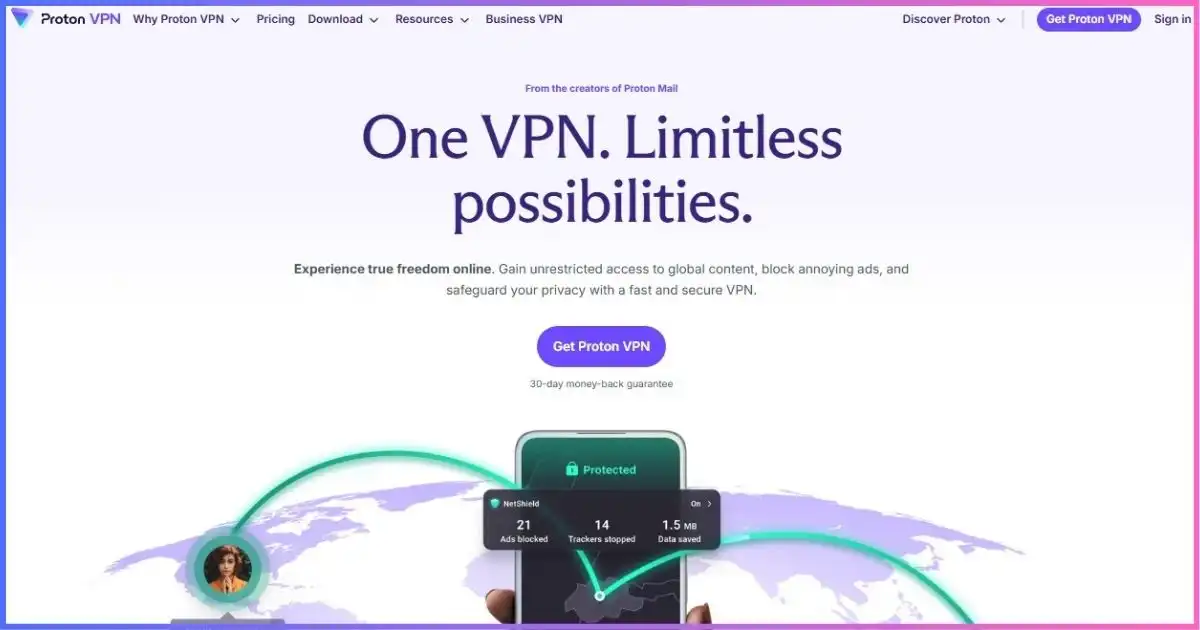
Proton VPN was built by the same team behind Proton Mail, an encrypted email service widely used by journalists, NGOs, and activists globally. It operates out of Switzerland, which has some of the world’s strongest privacy laws and sits outside the 14 Eyes intelligence-sharing alliance. Crucially, all Proton VPN apps are open-source and independently audited, meaning security researchers can verify there are no backdoors or hidden logging mechanisms.
Its Secure Core feature routes your traffic through hardened servers in privacy-friendly countries (like Iceland and Sweden) before exiting to your destination, protecting against compromised exit nodes. It also offers native Tor-over-VPN integration and a Stealth protocol designed specifically to bypass state-level DPI censorship — making it indispensable for organizers in restrictive environments (see our restrictive countries guide).
Pros
- Swiss jurisdiction with strong constitutional privacy rights
- 100% open-source clients with public independent audits
- Secure Core multi-hop and native Tor-over-VPN
- Stealth protocol for bypassing state-level censorship
Cons
- Secure Core adds latency (expected for multi-hop)
- More expensive than budget consumer VPNs
- Free tier exists but lacks Secure Core / Stealth
Deep dive in our Proton VPN review.
NordVPN — RAM-only servers and Double VPN
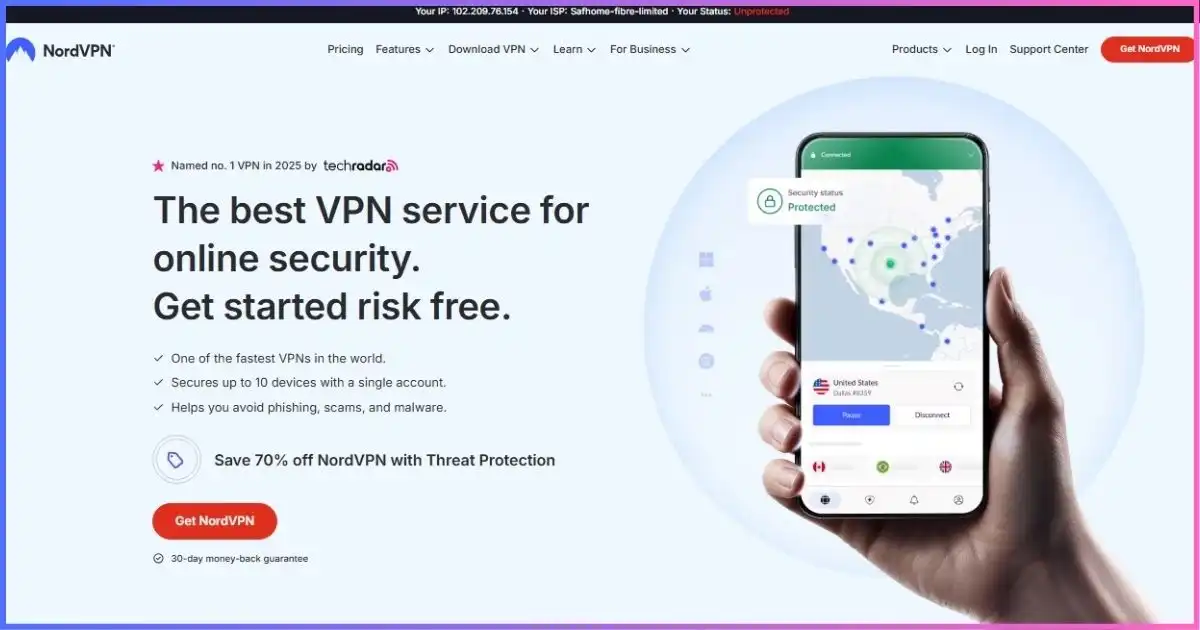
NordVPN is headquartered in Panama, a country with no mandatory data retention laws and no participation in international surveillance alliances. Its standout OpSec feature is its RAM-only server infrastructure (TruRAM), meaning all data is wiped from memory the moment a server reboots — leaving nothing on hard drives for forensic seizure.
For field organizers, NordVPN’s Obfuscated Servers are vital. They disguise VPN traffic as standard HTTPS web traffic, allowing you to connect from networks that actively block VPN protocols. Double VPN chains two servers together for an extra layer of encryption, ensuring that even if one node is compromised, your true IP remains hidden.
Pros
- Panama jurisdiction (no data retention laws)
- RAM-only servers leave no forensic trace
- Obfuscated servers bypass aggressive DPI firewalls
- Multiple independent no-logs audits (Deloitte, PwC)
Cons
- Main desktop apps are not fully open-source
- Obfuscation must be manually enabled in settings
Head-to-head context in our NordVPN review.
ExpressVPN — TrustedServer and automatic stealth
ExpressVPN operates from the British Virgin Islands (BVI), a jurisdiction with no data retention mandates and a high legal bar for foreign intelligence requests. Its TrustedServer technology ensures servers run entirely on RAM, wiping all data on every reboot. ExpressVPN’s open-source Lightway protocol has also been independently audited for cryptographic integrity.
Where ExpressVPN shines for activists is its frictionless censorship evasion. Unlike competitors that require manual toggling of stealth modes, ExpressVPN’s Lightway protocol automatically obfuscates traffic to survive deep packet inspection. If your advocacy takes you across multiple borders with varying levels of internet freedom (see our China-specific guide), ExpressVPN provides the most reliable “it just works” experience under pressure.
Pros
- BVI jurisdiction with strong legal privacy shields
- TrustedServer (RAM-only) architecture
- Lightway protocol is open-source and audited
- Automatic obfuscation requires zero manual setup
Cons
- No native multi-hop / Secure Core feature
- Pricier than open-source alternatives
Full analysis in our ExpressVPN review.
Surfshark — NoBorders and unlimited devices
Surfshark is based in the Netherlands (a 9 Eyes member), which prevents it from taking the top OpSec spots for high-risk individual operatives. However, its unlimited simultaneous connections make it an incredible asset for grassroots organizations where dozens of volunteers need basic encryption and access to blocked resources on a tight budget. Its NoBorders mode and Camouflage mode are highly effective for bypassing localized ISP throttling.
While it lacks the open-source pedigree of Proton, Surfshark undergoes regular independent audits (by Deloitte) and provides a solid, low-cost safety net for general advocacy work that does not involve state-level adversaries. Use our VPN free trials guide to test it across your team’s devices before committing organizational funds.
Pros
- Unlimited device connections for volunteer teams
- NoBorders auto-detects and bypasses network blocks
- Independent Deloitte audits of infrastructure
- Cheapest long-term pricing available
Cons
- Netherlands jurisdiction (9 Eyes intelligence alliance)
- Closed-source client applications
Value analysis in our Surfshark review.
SafeShell VPN — GPN stealth for hostile networks
If your advocacy takes you into environments where standard VPN protocols are actively hunted by state firewalls (e.g., organizing in Iran, Myanmar, or Russia), SafeShell’s GPN (Global Private Network) protocol offers an alternative stealth layer. It is purpose-built to mimic benign HTTPS traffic at a packet level that evades even the most aggressive DPI. Read our SafeShell review to understand its specific use case as a secondary, burnable tunnel.
Honest exclusionsVPNs to Avoid for High-Risk Advocacy
When protecting vulnerable populations and sensitive organizing data, historical trust and corporate lineage matter as much as current features. The following providers are excluded from our high-risk recommendations due to jurisdiction, closed-source code, or historical controversies.
 PIA — Avoid for Sensitive Organizing
Despite its open-source apps and proven no-logs court record, PIA is US-based. US jurisdiction is subject to 14 Eyes intelligence sharing and National Security Letters (NSLs) with mandatory gag orders. For international activists operating in hostile territories, this legal exposure is a severe liability.
PIA — Avoid for Sensitive Organizing
Despite its open-source apps and proven no-logs court record, PIA is US-based. US jurisdiction is subject to 14 Eyes intelligence sharing and National Security Letters (NSLs) with mandatory gag orders. For international activists operating in hostile territories, this legal exposure is a severe liability. IPVanish — Avoid for Source Protection
IPVanish is US-based and has a documented 2016 history of logging and handing over user data to the DHS in a criminal case. Trust, once broken in the security community, is hard to rebuild.
IPVanish — Avoid for Source Protection
IPVanish is US-based and has a documented 2016 history of logging and handing over user data to the DHS in a criminal case. Trust, once broken in the security community, is hard to rebuild. CyberGhost — Avoid for Censorship Evasion
CyberGhost lacks the advanced stealth/obfuscation protocols required to bypass state-level firewalls in conflict zones. Furthermore, its parent company (Kape Technologies) has a controversial history in the ad-injection space.
CyberGhost — Avoid for Censorship Evasion
CyberGhost lacks the advanced stealth/obfuscation protocols required to bypass state-level firewalls in conflict zones. Furthermore, its parent company (Kape Technologies) has a controversial history in the ad-injection space.Layering defensesTor vs. VPN for Activists
Activists often ask whether they should use Tor or a VPN. The answer is usually both, layered correctly. Tor provides destination anonymity (hiding what you visit from the network), while a VPN provides transit encryption and location masking (hiding your IP from the destination).
For maximum security, use Tor-over-VPN (available natively in Proton VPN). This hides your Tor usage from your ISP (who only sees an encrypted connection to a Swiss VPN server) while maintaining anonymity online. Never use VPN-over-Tor for high-risk work, as it can expose your real IP to the VPN provider if the tunnel drops.
Anonymity layers: VPN vs Tor vs Tor-over-VPN
Higher is better for hiding identity from state-level adversaries.
Tor-over-VPN ensures your ISP cannot see you are using Tor, preventing targeted surveillance or throttling.
ChecklistField OpSec Setup: 6 Steps Before Deployment
- Pay anonymously. Do not use a personal credit card. Purchase your VPN subscription using privacy-focused cryptocurrencies (Monero is preferred over Bitcoin) or cash-by-mail services to break the financial link to your identity.
- Verify the audit. Do not trust marketing copy. Download the provider’s latest independent audit report (e.g., from Cure53, Securitum) and verify it covers the specific apps and servers you intend to use.
- Enable the Kill Switch permanently. A dropped VPN connection in a hostile network instantly exposes your real IP and DNS requests to the local ISP. Set the kill switch to “Always On” or “Advanced” mode.
- Use Secure Core / Multi-Hop. If using Proton, route through Secure Core. If using Nord, enable Double VPN. This ensures that even if the exit server is seized, the entry IP remains hidden.
- Disable IPv6 and WebRTC. Many operating systems leak your real local IP via IPv6 or WebRTC even when the VPN is active. Disable these in your OS network settings or use the VPN’s built-in leak protection.
- Layer with Tor for high-value comms. For initial contact with whistleblowers or sensitive research, use Proton’s native Tor-over-VPN feature. A VPN masks your Tor usage from your ISP; Tor masks your destination from the VPN.
MethodologyHow We Evaluated Trust and OpSec
Unlike consumer reviews that prioritize Netflix unblocking speeds, our evaluation for activists weights privacy architecture and anonymity above all else. We reviewed corporate ownership structures, historical court responses to subpoenas, open-source repository commits, and independent penetration-test reports. Editorial scoring weights:
- 35% — Jurisdiction safety & independent audit history
- 25% — Open-source availability & code transparency
- 20% — Advanced routing (Secure Core, Multi-hop, RAM-only)
- 15% — Stealth protocols & censorship evasion
- 5% — Anonymous payment options (Crypto/Cash)
FAQsActivist OpSec FAQs
Should activists use Tor instead of a VPN?
Can a VPN protect me if my phone is seized at a protest?
Is it safe to use a US-based VPN for international activism?
How do I pay for a VPN without leaving a financial trail?
Do open-source apps really matter for OpSec?
The Best VPN for Activists, in One Paragraph
For human rights defenders, organizers, and digital rights advocates, Proton VPN is the undisputed gold standard. Its Swiss jurisdiction, 100% open-source ecosystem, Secure Core architecture, and native Tor integration provide the verifiable trust required for protecting vulnerable populations. NordVPN is the best alternative for field organizers needing RAM-only servers and aggressive obfuscation, while ExpressVPN remains the most reliable frictionless tool for crossing restrictive borders. Avoid US-based providers and closed-source clients when lives and liberties are on the line.
| VPN | Best for (Activist use) | OpSec Rating | Get started |
|---|---|---|---|
| Proton VPN | Source protection, open-source trust, Secure Core | 9.8 / 10 | Visit Site |
| NordVPN | Field obfuscation, RAM-only servers, Double VPN | 9.3 / 10 | Visit Site |
| ExpressVPN | Restrictive travel, automatic stealth, TrustedServer | 9.1 / 10 | Visit Site |
| Surfshark | Grassroots teams, unlimited devices, budget | 8.5 / 10 | Visit Site |
| SafeShell | Extreme censorship evasion (GPN stealth) | 8.2 / 10 | Visit Site |
Disclosure: This article contains affiliate links. If you purchase through them, we may earn a commission at no extra cost to you. Rankings reflect independent OpSec analysis, jurisdiction research, and audit verification, not commission rates. Pricing verified September 2026. This guide provides technical security information, not legal advice; consult with your organization’s digital security officer regarding specific threat models.
Sources & Research Notes
OpSec ratings and jurisdiction analyses are based on public audit reports, corporate filings, and digital security guidelines from human rights organizations. Pricing verified September 2026.
- Access Now, #KeepItOn coalition — Internet shutdown tracker documenting 900+ shutdowns globally, heavily targeting protest movements and advocacy networks (accessnow.org).
- Amnesty International Security Lab — Reports on state-sponsored spyware (Pegasus) and network-level interception targeting human rights defenders (amnesty.org).
- Electronic Frontier Foundation (EFF) — Surveillance Self-Defense guides, detailing threat modeling, Tor usage, and endpoint security for activists (ssd.eff.org).
- Proton VPN Security Blog & GitHub — Open-source repository commits, Secure Core architecture documentation, and independent audit publications (Securitum, Cure53).
- NordVPN Transparency Hub — Deloitte and PwC no-logs audit summaries; TruRAM server infrastructure documentation.
- ExpressVPN Trust Center — TrustedServer (RAM-only) whitepapers, Lightway protocol open-source repository, and BVI jurisdiction legal analysis.
- IPVanish Historical Controversy — Public court records from the 2016 DHS subpoena case where IPVanish provided user logs despite marketing claims; subsequent ownership changes noted.
- Kape Technologies / Crossrider History — Financial Times and security community reporting on Kape’s (CyberGhost parent) historical association with ad-injection frameworks prior to rebranding.
Editorial OpSec scores are our own judgments based on technical architecture and legal jurisdiction. Digital security is an evolving field; always verify the latest audit status and software versions before deploying tools in high-risk environments.