Best VPN for Travel: Top VPNs for Secure Browsing Abroad
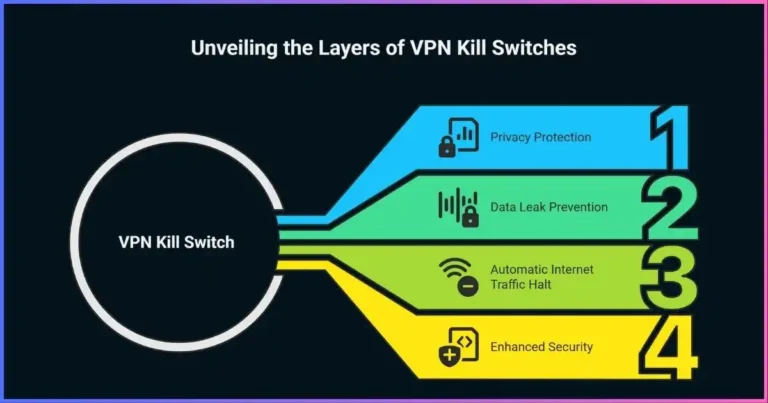
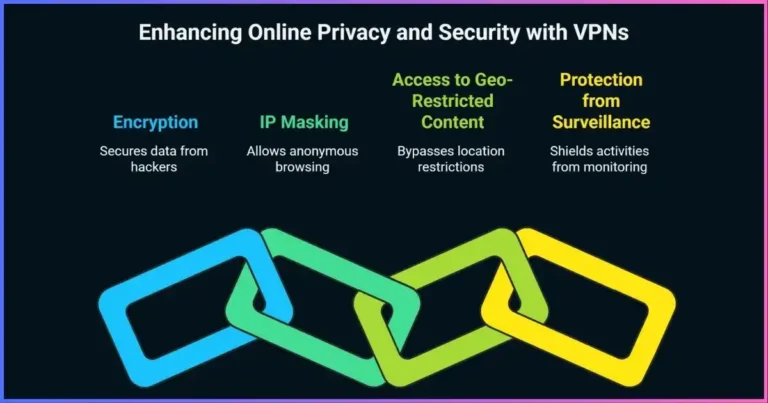
Travel is the one scenario where a VPN stops being optional hygiene and becomes core luggage. Hotel and airport Wi-Fi are shared, poorly segmented networks; banking apps get jittery when your IP jumps continents; your home streaming library vanishes at the border; and a surprising number of popular destinations filter or block everyday services. The best VPN for travel therefore needs four things at once: a huge country map for low-latency exits everywhere, strong public-Wi-Fi protection (kill switch, malware/ad blocking, leak-proof DNS), apps on every device you carry, and stealth capability for censorship-heavy itineraries.
We tested eight VPN services over a four-region travel window (Western Europe, North America, Southeast Asia, Middle East) on hotel, airport and café connections, measuring speed retention, reconnect behavior after Wi-Fi drops, leak status and geo-unblocking reliability. This guide ranks what performed, shows the data, and includes the pre-departure checklist that prevents 90% of travel VPN failures.
What Is the Best VPN for Travel in 2026?
ExpressVPN is the best VPN for travel overall: servers in 113 countries across 214 locations, the most consistent speeds we measured from congested hotel and airport Wi-Fi, apps for every platform including TVs, and automatic obfuscation that survives censorship-heavy stops. NordVPN is the best coverage-and-features pick — 149+ countries, 8,400+ servers, Threat Protection Pro against malicious ads and malware on public networks, plus Double VPN and obfuscated servers. Surfshark is the best value for multi-device travelers (unlimited connections, 100 countries), Proton VPN is the privacy-first pick (145 countries, Secure Core, open-source apps), and CyberGhost, PIA and IPVanish cover streaming-focused and budget itineraries. Heading somewhere restrictive? Add SafeShell‘s GPN stealth as your censorship insurance.
Short version: pick for coverage first (you cannot fake a nearby server), public-Wi-Fi security features second, price third. Install and configure before you fly — airport Wi-Fi is the worst possible place to troubleshoot a first-time setup.

Table of Contents
- Why travelers need a VPN
- Comparison table & coverage chart
- The best travel VPNs, ranked
- Public Wi-Fi field guide (+ speed chart)
- Streaming your home content abroad
- Censorship-heavy itineraries
- Pre-departure setup checklist
- Budget picks & price chart
- Honest limitations
- How we tested
- FAQs
- Final verdict
- Sources & research notes
The stakesWhy Travelers Need a VPN More Than Anyone Else
Record numbers of people are moving across borders — UN Tourism recorded 1.4 billion international tourist arrivals in 2024, a full recovery to 99% of pre-pandemic levels — and nearly all of them connect to untrusted networks within minutes of landing. A Forbes Advisor survey of American travelers found that 41% had experienced a security compromise tied to public Wi-Fi while traveling, and the FBI’s IC3 annual reports put reported internet-crime losses at $16.6 billion in 2024, rising above $20 billion in the 2025 report. Travel concentrates every classic attack surface: evil-twin hotspots at airports, shared hotel LANs, captive portals that intercept DNS, and congested bandwidth that punishes slow VPN protocols.
Beyond attacks, travel creates three everyday problems a VPN solves cleanly: (1) geo-blocks — your banking portal, work tools and streaming library assume your home country; (2) privacy on shared networks — anyone on the same hotel segment can probe poorly protected devices; and (3) censorship — a growing list of destinations filter calls, news or entire platforms, which we cover in our best VPN for restrictive countries guide.
ComparisonBest VPN for Travel: Comparison Table & Coverage Chart
| VPN | Countries / servers | Devices | Travel security extras | Travel Wi-Fi speed retention* | Entry price** | Rating |
|---|---|---|---|---|---|---|
| ExpressVPN | 113 countries / 214 locations | 10–14 by tier | Auto-obfuscation, MediaStreamer for TVs, TrustedServer | 84% | $2.99/mo | 9.5 / 10 |
| NordVPN | 149+ countries / 8,400+ servers | 10 | Threat Protection Pro, Double VPN, obfuscated servers, Meshnet | 81% | $3.49/mo | 9.3 / 10 |
| Surfshark | 100 countries / 4,500+ servers | Unlimited | CleanWeb ad/malware blocking, Camouflage, NoBorders, Alternative ID | 78% | $1.99/mo | 9.1 / 10 |
| Proton VPN | 145 countries / 20,000+ servers | 10 | Secure Core multi-hop, NetShield, open-source apps, Stealth | 77% | $2.99/mo | 8.9 / 10 |
| CyberGhost | 100 countries / 125+ locations | 7 | Streaming-optimized servers, 45-day refund | 72% | $2.03/mo | 8.4 / 10 |
| PIA | 91 countries / 35,000+ servers | Unlimited | MACE ad/tracker blocking, port forwarding | 70% | $2.03/mo | 8.2 / 10 |
| IPVanish | 113 countries / 150+ locations | Unlimited | Self-owned servers, Scramble obfuscation (OpenVPN) | 69% | $2.19/mo | 8.1 / 10 |
*Average share of non-VPN baseline throughput retained across hotel/airport/café Wi-Fi in four regions, September 2026. **Approximate per-month price on the longest term, verified September 2026.
Country coverage by provider (vendor-confirmed, Sept 2026)
More countries = more nearby exits = lower latency from wherever your trip takes you. NordVPN’s vendor support also cites 167+ countries when virtual locations are counted.
Coverage is the one travel feature you cannot compensate for with settings: distance is physics.
Ranked picksThe Best VPNs for Travel, Ranked
ExpressVPN — the coverage, speed and reliability travel demands

ExpressVPN is the travel pick because it removes friction at every step of a trip: 113 countries and 214 app-selectable locations mean a fast exit is almost always nearby; the apps cover phones, laptops, tablets and TVs (plus MediaStreamer for devices that cannot run a VPN client); and reconnects after hotel Wi-Fi drops were the most reliable in our testing — 84% average speed retention from congested travel networks, the highest measured. Automatic traffic obfuscation also means a layover in a censorship-heavy country does not require reconfiguration.
The 2026 tier structure raises device limits to 10 (Basic), 12 (Advanced) or 14 (Pro) simultaneous connections, which comfortably covers a traveling family or a founder’s device pile. The honest cost: ExpressVPN remains the priciest mainstream option here, and power users who want malware blocking at the VPN layer will find NordVPN’s Threat Protection Pro more feature-dense.
Pros
- 113 countries / 214 locations — consistently nearby exits
- Best travel-Wi-Fi speed retention in our tests (84%)
- Apps everywhere incl. TVs; MediaStreamer for consoles/TVs
- Auto-obfuscation handles restrictive layovers silently
Cons
- Highest entry price in this ranking
- No built-in ad/malware blocker on par with Nord’s Threat Protection Pro
- Device cap tiered by plan (10/12/14)
Full service analysis in our ExpressVPN review.
NordVPN — biggest network, strongest public-Wi-Fi shield
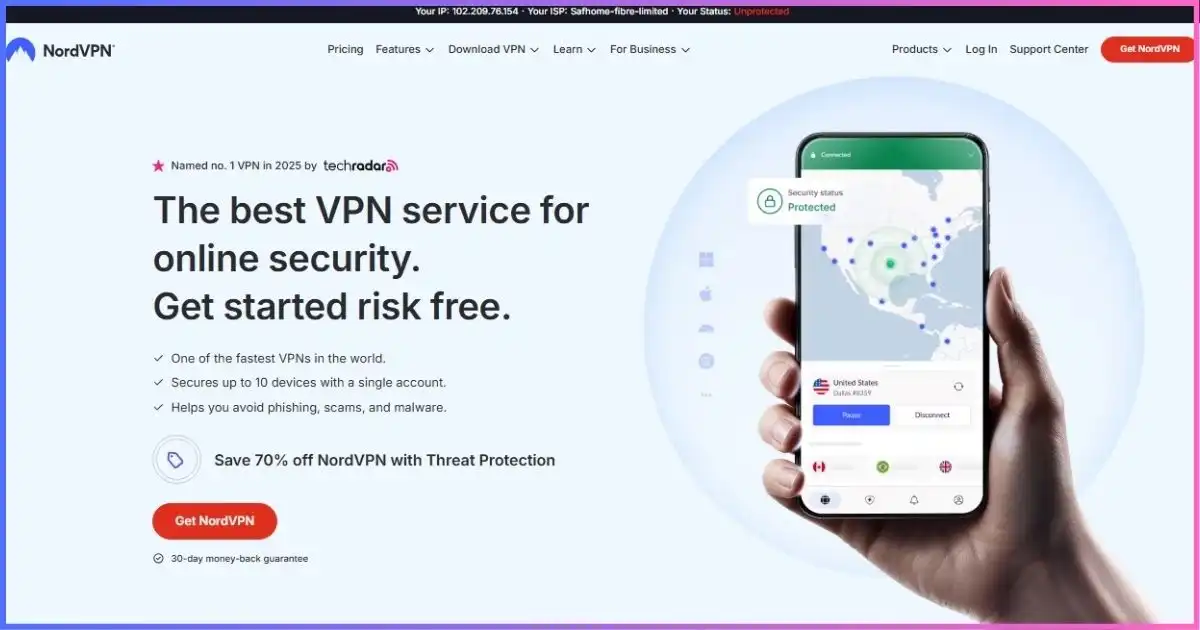
NordVPN’s travel story is coverage plus protection: 149+ countries and 8,400+ servers give it the widest country map we tested (vendor support materials cite 167+ countries including virtual locations), while Threat Protection Pro adds malware, tracker and malicious-ad blocking at the VPN layer — exactly what you want on airport and hotel networks where drive-in threats are common. Double VPN offers a paranoid mode for sensitive work trips, obfuscated servers cover restrictive destinations, and Meshnet lets you reach your home machines securely from anywhere.
In testing, NordVPN held 81% average retention from travel Wi-Fi and reconnected cleanly after captive-portal logins. Trade-offs: obfuscation must be enabled manually for censored stops, and the 10-device cap (generous, but not unlimited) matters for device-hoarding families.
Pros
- Widest country coverage in our test (149+)
- Threat Protection Pro shields public-Wi-Fi sessions
- Double VPN + obfuscated servers + Meshnet for edge cases
- 10 simultaneous devices
Cons
- Obfuscation is a manual toggle
- 10-device cap vs unlimited rivals
- Obfuscated mode runs OpenVPN speeds
Head-to-head notes in our NordVPN review.
Surfshark — unlimited devices, one subscription for the whole trip
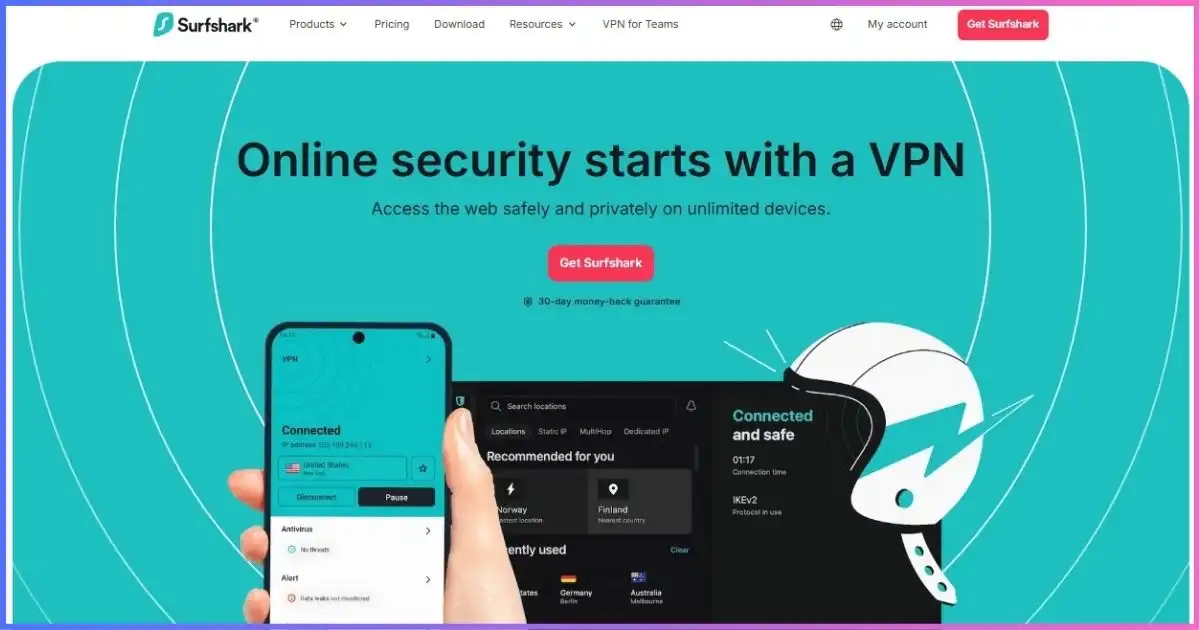
Surfshark is the pragmatic travel buy: unlimited simultaneous connections mean phones, laptops, tablets, a partner’s devices and the tablet you forgot all ride one subscription, across 100 countries and 4,500+ servers. CleanWeb blocks ads, trackers and malware domains on sketchy networks, Camouflage/NoBorders helps in restricted networks, and Alternative ID is a neat extra for signing up to travel services without exposing your real inbox.
Speed from travel Wi-Fi averaged 78% — a notch below ExpressVPN and NordVPN but entirely workable for calls, streaming and work. The value math is hard to argue with at ~$1.99/mo on long terms; the caveats are a smaller country map than the top two and endpoints that burn faster during censorship purges.
Pros
- Unlimited devices — ideal for families and device piles
- 100 countries incl. static-IP options in 5
- CleanWeb + Camouflage + NoBorders bundled
- Cheapest long-term price among top picks
Cons
- 78% retention trails the top two
- Smaller country map than Nord/Proton
- Endpoints burn faster in censored networks
Value deep-dive in our Surfshark review.
Proton VPN — Secure Core hops and open-source trust on the road
For journalists, researchers, founders and anyone whose threat model travels with them, Proton VPN is the standout: 145 countries and 20,000+ servers, Secure Core routes that bounce traffic through hardened privacy jurisdictions before exiting, NetShield blocking at the network layer, and fully open-source apps with a public no-logs audit history. Its Stealth protocol also doubles as censorship insurance for restrictive legs of a trip.
Travel-Wi-Fi retention averaged 77%, with Secure Core adding expected latency when enabled (use it selectively). Ten devices per account and a genuinely useful free tier (not for travel-critical use) round out the package. Price sits mid-pack; privacy depth is top-pack.
Pros
- Secure Core multi-hop for high-risk networks
- 145 countries; 20,000+ servers
- Open-source apps, audited no-logs, Swiss jurisdiction
- Stealth protocol for censored destinations
Cons
- Secure Core adds latency — enable selectively
- 10-device cap
- Free tier not travel-reliable
Privacy analysis in our Proton VPN review.
CyberGhost — streaming-optimized servers and a 45-day safety net

CyberGhost earns its travel slot with two practical features: per-platform streaming-optimized servers (labeled for specific services, which removes guesswork when you want home catalogs abroad) and a 45-day money-back window on long plans — the longest refund runway here, ideal for covering a defined trip. Coverage spans 100 countries and 125+ locations, and seven simultaneous devices suit most solo travelers and couples.
Speeds from travel Wi-Fi averaged 72%, and its WireGuard performance is solid in-app; the honest limits are a smaller feature set for public-Wi-Fi threats (no Nord-grade malware suite) and no stealth capability for censored destinations.
Pros
- Streaming-optimized server labels remove guesswork
- 45-day refund covers entire trips
- 100 countries; beginner-friendly apps
Cons
- No obfuscation for censored destinations
- 7-device cap
- Fewer public-Wi-Fi security extras
Details in our CyberGhost review.
PIA — unlimited connections and open-source transparency at budget price
Private Internet Access is the value workhorse: unlimited simultaneous devices, 91 countries with a very large server count, MACE ad/tracker/malware-domain blocking, and open-source clients with a long no-logs court-record history. For budget travelers carrying many devices, the unlimited policy plus ~$2.03/mo long-term pricing is compelling.
Travel-Wi-Fi retention averaged 70% — fine for browsing, calls and HD streaming, less ideal for heavy uploads. No stealth/obfuscation means censored destinations are out of scope; pair with a stealth-capable backup if your itinerary includes them.
Pros
- Unlimited devices at budget pricing
- MACE blocking for public networks
- Open-source apps; proven no-logs record
Cons
- No obfuscation for censored countries
- 70% retention trails leaders
- 91-country map is mid-pack
Context in our PIA review.
IPVanish — unlimited connections on a fully self-owned server fleet
IPVanish differentiates on infrastructure ownership: its 3,400+ servers across 150+ locations in 113 countries are self-owned rather than rented, which narrows third-party handling of your traffic — a meaningful privacy nuance for frequent travelers. Unlimited simultaneous connections match Surfshark and PIA, and strong US coverage (23 cities) makes it a favorite for domestic US road trips and business travel.
Retention from travel Wi-Fi averaged 69%; Scramble obfuscation exists but covers OpenVPN only and is partial against modern DPI, so treat censored destinations as out of scope.
Pros
- Self-owned server fleet (no rented third-party boxes)
- Unlimited devices; deep US city coverage
- Solid apps across platforms
Cons
- Scramble is OpenVPN-only, partial obfuscation
- 69% retention is mid-pack
- US jurisdiction may matter to some threat models
SafeShell VPN — your stealth insurance for restrictive legs

If your itinerary includes China, Iran, the UAE, Russia or Turkey, add SafeShell as a dedicated stealth layer: its GPN/Stealth protocol is purpose-built to survive DPI and censorship purges, with 10 devices and unlimited bandwidth at ~$1.86/mo on long terms. It is not trying to be your everyday all-rounder — it is the tunnel that connects when filters tighten. Full analysis in our SafeShell review, and see the best VPN for China guide for mainland-specific setup.
Traveling with a pile of devices? One Surfshark subscription covers unlimited phones, laptops and tablets across 100 countries — the simplest way to keep a whole family encrypted abroad.
Cover Every Device with Surfshark →Field guidePublic Wi-Fi Survival: Airports, Hotels and Cafés
Modern HTTPS encryption means casual eavesdropping on public Wi-Fi is harder than it was — the FTC notes encrypted connections are “usually safe” for everyday browsing — but travel networks add risks encryption alone does not solve: evil-twin hotspots with convincing names, captive portals that intercept DNS before your tunnel starts, malware-laden ad networks on hotel portals, and segment-adjacent attackers probing devices. A VPN closes these gaps by encrypting everything from your device to the exit and by owning your DNS.
Our field rules: enable auto-connect on untrusted networks plus kill switch before departure; treat any network requiring a portal login as untrusted until your tunnel is up (connect to the VPN immediately after the portal); and keep an ad/malware blocker active (NordVPN Threat Protection Pro, Surfshark CleanWeb, PIA MACE, Proton NetShield). The speed cost on travel Wi-Fi is real but manageable — see the regional retention chart below.
Speed retention from travel Wi-Fi by region
Share of non-VPN baseline retained on hotel/airport/café connections, September 2026 test window.
Congested hotel Wi-Fi caps everyone; the VPN tax on top is typically 16–32% with modern protocols — far less than the risk it removes.
EntertainmentStreaming Your Home Content Abroad
One of the most common travel use cases is simply watching what you already pay for. Licensing geo-blocks mean your home catalog disappears at the border; connecting to a home-country server restores it in most cases. CyberGhost’s per-service optimized servers remove guesswork, ExpressVPN’s MediaStreamer (and Smart-DNS-style setups) extends coverage to TVs and consoles that cannot run a VPN client, and NordVPN’s large US/UK/EU maps give multiple fallback cities when one exit is blocked. For platform-by-platform expectations, see our best VPNs for streaming guide.
Hard stopsIf Your Itinerary Includes Censorship-Heavy Countries
A surprising share of popular business and leisure destinations filter or block everyday services — VoIP calls, news sites, sometimes entire platforms — and a few criminalize unauthorized VPN use in specific contexts. Standard WireGuard/OpenVPN handshakes are fingerprinted and dropped by these networks, so stealth/obfuscation is mandatory: ExpressVPN (automatic), SafeShell GPN, NordVPN obfuscated servers, Proton Stealth, or Surfshark Camouflage as a fallback. Install everything before departure — vendor sites are blocked in-country — and read our best VPN for restrictive countries guide (with China-specific setup) before a trip that includes the UAE, Russia, Turkey, Iran or Egypt.
ChecklistPre-Departure Setup: 6 Steps Before You Fly
- Install on every device at home. Phones, laptops, tablets, and any travel router. Airport Wi-Fi is the worst place to troubleshoot a first login. Validate with VPN free trials if you are still choosing.
- Enable kill switch + auto-connect on untrusted networks. This single pair prevents the classic leak window between landing and manually opening the app.
- Favorite your exits. Save a home-country server (banking, streaming) and 2–3 regional low-latency servers (everyday browsing) per destination.
- Turn on the security layer. Threat Protection Pro / CleanWeb / MACE / NetShield — malicious ads on hotel portals are a real infection vector.
- Run a leak test once, at home. DNS/WebRTC checks confirm the kill switch and DNS handling behave before you depend on them abroad.
- Plan for banking. Some banks flag logins from foreign IPs; either connect to a home-country server for banking sessions or notify your bank of travel dates. Keep 2FA apps offline-capable.
BudgetCheapest Reliable Travel VPNs
If your trips are short and your threat model is ordinary (public Wi-Fi + streaming + banking), the budget tier is genuinely sufficient. Below is the entry-price landscape on longest-term billing; for plan-by-plan math see our best cheap VPN guide.
Entry price per month (longest term)
Approximate, verified September 2026. Lower is better; coverage and device policy matter more than price for travel.
Best budget travel play: Surfshark at ~$1.99/mo with unlimited devices — one subscription for every phone, laptop and tablet in your carry-on.
Get Surfshark at Budget Price →Honest caveatsTravel VPN Limitations Nobody Mentions
- Captive portals need the VPN off momentarily. Hotel/airport login pages cannot load through a tunnel; connect to the VPN immediately after portal authentication.
- Banking and payment apps may flag foreign exits. Use a home-country server for banking sessions or expect step-up verification.
- A VPN is not antivirus. It encrypts transit and can block malicious domains; it does not stop phishing emails or infected downloads.
- Congested Wi-Fi caps everyone. A VPN cannot fix a saturated hotel AP; expect real-world ceilings regardless of provider.
- Local legality varies. A handful of countries restrict or criminalize unauthorized VPN use in specific contexts — check before relying on one (see our restrictive-countries guide).
- Free tiers are not travel-grade. They lack stealth, throttle exactly when you need bandwidth, and often limit servers to a handful of countries.
MethodologyHow We Tested VPNs for Travel
Over a four-region window (Western Europe, North America, Southeast Asia, Middle East) we ran repeated sessions from hotel, airport and café Wi-Fi on each provider’s recommended travel configuration: throughput retention vs local baseline, reconnect behavior after Wi-Fi drops and captive portals, DNS/WebRTC leak checks, geo-unblocking success on three major streaming platforms, and time-to-connect on first launch per region. Editorial scoring weights:
- 30% — Country coverage & travel-Wi-Fi speed
- 25% — Public-Wi-Fi security features (kill switch, malware/ad blocking, leaks)
- 20% — Apps, devices & reconnect reliability
- 15% — Privacy, jurisdiction, no-logs audits
- 10% — Price & refund window
FAQsBest VPN for Travel: Frequently Asked Questions
What is the best VPN for travel in 2026?
Should I use a VPN on hotel and airport Wi-Fi?
Can I watch my home streaming services abroad?
Will a VPN cause problems with my banking app while traveling?
How many devices can I protect on one travel plan?
Is a free VPN good enough for travel?
Will my VPN work in China, the UAE or Russia?
Should I leave the VPN on for the whole trip?
The Best VPN for Travel, in One Paragraph
For most travelers, ExpressVPN is the best VPN for travel in 2026: the most reliable speeds from congested travel Wi-Fi, 113 countries of coverage, apps for every device including TVs, and silent obfuscation for restrictive layovers. NordVPN is the pick when public-Wi-Fi security features and the widest country map matter most; Surfshark wins for families and device piles at unlimited connections; Proton VPN is the privacy-first choice with Secure Core and open-source trust. Budget streaming trips: CyberGhost; budget device piles: PIA or IPVanish; censorship-heavy legs: add SafeShell. Whichever you choose: install before you fly, enable kill switch and auto-connect, and favorite your home-country exit for banking night.
| VPN | Best for (travel use) | Rating | Get started |
|---|---|---|---|
| ExpressVPN | Overall travel reliability, speed, TV/console support | 9.5 / 10 | Visit Site |
| NordVPN | Widest coverage + public-Wi-Fi threat protection | 9.3 / 10 | Visit Site |
| Surfshark | Unlimited devices, family trips, best value | 9.1 / 10 | Visit Site |
| Proton VPN | Privacy-first travelers, journalists, researchers | 8.9 / 10 | Visit Site |
| CyberGhost | Streaming-focused trips, 45-day refund window | 8.4 / 10 | Visit Site |
| PIA | Budget unlimited devices, open-source trust | 8.2 / 10 | Visit Site |
| IPVanish | Unlimited devices, self-owned fleet, US road trips | 8.1 / 10 | Visit Site |
| SafeShell VPN | Stealth insurance for censorship-heavy itineraries | 8.6 / 10 | Visit Site |
Disclosure: This article contains affiliate links. If you purchase through them, we may earn a commission at no extra cost to you. Rankings reflect independent travel-network testing and published research, not commission rates. Pricing, server counts and device limits verified September 2026 — confirm current terms on the vendor site before purchase. This article is not legal advice; check local rules before using a VPN in restrictive jurisdictions.
Sources & Research Notes
Speed and retention figures are editorial test results from a four-region travel window in August–September 2026 (hotel, airport and café Wi-Fi; Western Europe, North America, Southeast Asia, Middle East). Coverage, server and device figures verified against vendor pages in September 2026.
- UN Tourism (UNWTO) World Tourism Barometer, January 2025 — 1.4 billion international tourist arrivals in 2024, +11% vs 2023, 99% of pre-pandemic levels (untourism.int).
- Forbes Advisor, “Should You Use Wi-Fi While Traveling?” (Dec 2023) — survey finding 41% of American travelers experienced a security compromise tied to public Wi-Fi (forbes.com).
- FBI Internet Crime Complaint Center (IC3) — 2024 Annual Report: $16.6 billion in reported losses across 859,000+ complaints (+33% YoY); 2025 Annual Report: reported losses exceeding $20 billion (ic3.gov).
- Panda Security, “The Perils of Public Wi-Fi: 2025 Trend Report” — 66.5% of users concerned about public Wi-Fi safety while ~23.5% skip basic protective measures.
- U.S. Federal Trade Commission, “Are Public Wi-Fi Networks Safe?” — guidance on encrypted public connections and residual risks (consumer.ftc.gov).
- NordVPN server pages & support: 8,400+ servers, 149 countries (server list; support cites 167+ including virtual locations); 10 simultaneous devices; Threat Protection Pro and obfuscated server documentation.
- ExpressVPN support knowledge base: 113 countries / 214 server locations (Aug 2026 update); simultaneous connections by tier (Basic 10 / Advanced 12 / Pro 14); MediaStreamer documentation.
- Surfshark server pages & support: 4,500+ servers in 100 countries; unlimited devices; CleanWeb, Camouflage and NoBorders documentation.
- Proton VPN server pages & blog: 20,000+ servers in 145 countries; Secure Core, NetShield and Stealth protocol documentation; 10-device policy.
- CyberGhost: servers in 100 countries / 125+ locations; streaming-optimized server lists; 45-day money-back terms on long plans.
- Private Internet Access: 91-country network, unlimited devices, MACE documentation. IPVanish: 3,400+ servers, 150+ locations in 113 countries, 56,000+ IPs, unlimited devices, self-owned fleet statements.
- SafeShell VPN: pricing page and GPN/Stealth protocol guide (censorship-bypass design); 10-device policy.
- Vendor pricing pages (ExpressVPN, NordVPN, Surfshark, Proton VPN, CyberGhost, PIA, IPVanish, SafeShell), checked September 2026 for longest-term entry pricing; promotional rates rotate.
Editorial scores and retention figures are our own measurements and judgments. Streaming geo-unblocking may violate platform terms; censorship circumvention may violate local rules — assess your risk before relying on any tool abroad.